"Fairest of months! Ripe Summers Queen.
The hey-day of the year with robes that gleam with sunny sheen,
sweet August doth appear. ...R. Combe Miller.
1st An overcast start to the new month.
Mouse feeding on feeder in the blossom tree.
Wood Mouse (Apodemus sylvaticus)
Probably the most widespread and abundant British mammal. Breeding starts in March and the female may bear four litters each of 5 babies in one year. Their lifespan is only 2 years. They eat manily seeds, nuts, shoots and buds ,but will also eats a variety of insects.
Sunday, 1 August 2010
Thursday, 15 July 2010
July part 3
15th St Swithan's day so we should have sunshine and showers for the next 40 days. A fledgling robin has appeared in the garden. Along with lots of sparrows.
Tuesday, 13 July 2010
July part 2
8th It's 6.30.a.m. and the sparrows are very noisy outside, also saw a young female blackbird, young and adult blue tits,great tits and a young magpie. Later white butterflies danced around each other as they travelled across the garden. A brown/orange butterfly also in garden. Hard to identify and to photograph. Gold finch cam to feed at midday. Picked my first raspberries and strawberries- delicious!
11th Adult hedgehog in garden but no baby in tow.
12th 5a.m. Hedgehog in garden again - it's raining and the garden needs it we hav'nt had rain for ages. at 8a.m. Hedgehog in garden again hope she is ok. Hedgehog arrived back in garden at 9:30 earlier than usual.
13th juvenille blue tits in garden hopping around they are very sweet.
Wednesday, 7 July 2010
July 2010
"If the first of July it be rainy weather. 'Twill rain, more or less for four weeks together."
1st Cloudy,warm and dry. No rain for four weeks together according to the above saying.
Sparrows are mating in next doors tree.
7th Fledgling sparrows in garden and a female with feathers in her beak.
Exiting a baby hedgehog with mum in the garden this evening. Feeding together for about half-an-hour.
Between 3-5 are born in a litter between June and July. They are born pink and blind but within hours sprout a few white spines which grow browner as they age. By 14 days their eyes open and by 6 weeks they will have over 2000 spines. By 4 weeks they will be eating solid food and will be independent by 6 weeks. The male has no part in their rearing .
Tuesday, 22 June 2010
June 5th
Back home Goldfinch in garden on feeder. The hedgehog is still visiting (is it me or is she thinner?)
6th Fledgling starlings in the garden while the blue tits and great tits are working hard collecting food for their young. Damselfly butterfly and ladybird briefly in the garden.
8th |First fledgling blue tit in garden -beautiful .
10th The young starling thinks the bird table belongs to him. That is until the adults arrive. The hedgehog is feeding around 10pm and comes right down the steps to the door , scaring a frog on the way.
18th Lot's of noisy sparrow fledglings being fed in next doors trees.
21st Longest day - very sunny. Saw the mouse on the bird feeder.
22nd Spent an amazing 10mins in the evening with a bat flying over head, the hedgehog near my feet and the mouse at the feeder.
The met office have said it has been the driest first 6 months of the year for 80 years!
Thursday, 3 June 2010
June Shropshire part 3
On a visit to a beautiful garden (with the best chicken sandwiches I've ever tasted) we sat by the large pond and took pictures of the dragonflies.
Broad - bodied chaser (libella depressa). they will take over a small pond or pool defending it fiercely, using the same perches each day.
Common Blue damsel Fly (Enallagma cyathagerm). Spends all year as a larvae before emerging as an adult.
the picture shows a pair mating, making a heart shape with their bodies. The male will then fly the female to the water to deposit the eggs in under water vegetation.. They fly between May - September in over grown gardens.
Wednesday, 2 June 2010
June Shropshire part 2
Each morning and at intervals in the day we hear the unmistakable sound of the Buzzards. They soar in the sky screeching, laying claim to the territory they fly over. A magnificent sight. The couple below seem to be flying just for the enjoyment of it and who can blame them. The female is the largest of the two.
Buzzard's ( Buteo Buteo ). Found in wood's, moreland, mountains and sea cliffs. It is the most common of our birds of prey. Usually lays 2-3 eggs. They feed on small animals, carrion, birds, earthworms, caterpillars, lizards and beetles.
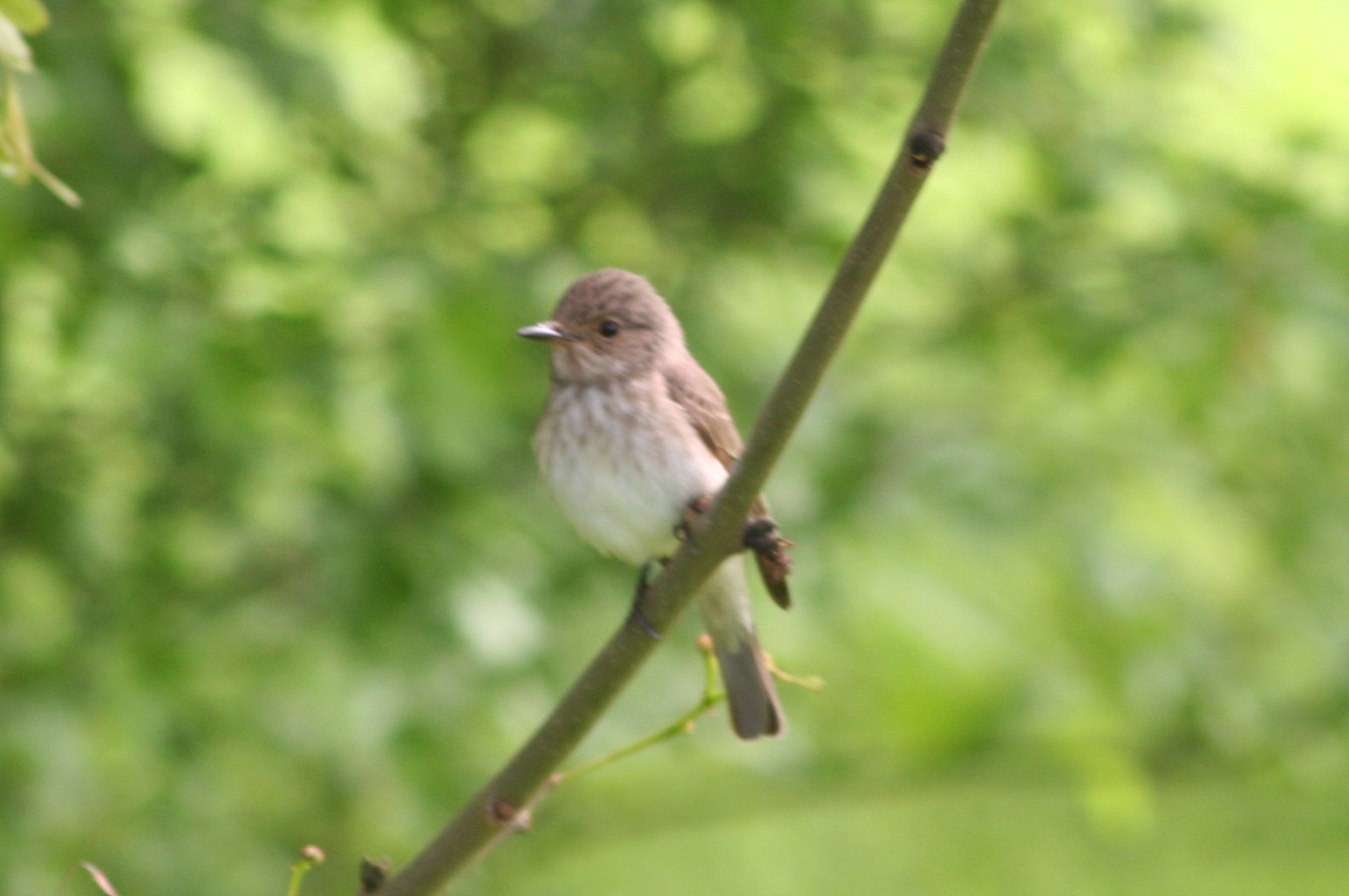
I spotted a small bird up in the tree that I've never seen before, it turned out to be a Spotted Fly Catcher.
Spotted Fly Catcher (Muscicapa striata)
"If you scare the flycatcher away, no good luck will come your way."
Visits Britain in May - September. Lays 4-5 green/blue eggs heavily freckled with red/brown. Feeds almost entirely on flying insects, flies, crane flies, butterflies and wasps, but will eat worms and rowan berries.
Subscribe to:
Posts (Atom)